


Key Home Value Growth Factors: What Drives Long-Term Appreciation?
- Antoinette Sullivan
- 4 days ago
- 4 min read

Updated: 2 days ago
When I think about what truly influences a home's value over time, I realize it's a blend of many elements working together. Whether you're buying, selling, or investing, understanding these factors can help you make smarter decisions. In this post, I’ll walk you through the key drivers behind home value growth and share insights that can guide your next move.
Understanding Home Value Growth Factors
Home value growth factors are the building blocks of a property's appreciation. These include location, market trends, property condition, and neighborhood amenities. Each plays a vital role in shaping how much a home will be worth years down the road.
For example, a house in a neighborhood with good schools and easy access to public transportation often sees steady price increases. On the other hand, properties in areas with declining infrastructure or rising crime rates may struggle to hold their value.
Here are some of the most important home value growth factors to keep in mind:
Location: Proximity to schools, parks, shopping, and employment centers.
Economic Stability: Local job market strength and economic growth.
Property Condition: Quality of construction, maintenance, and updates.
Community Development: Planned improvements and neighborhood safety.
Market Demand: Supply and demand dynamics in the housing market.
By focusing on these, you can better predict how a home might perform financially over time.
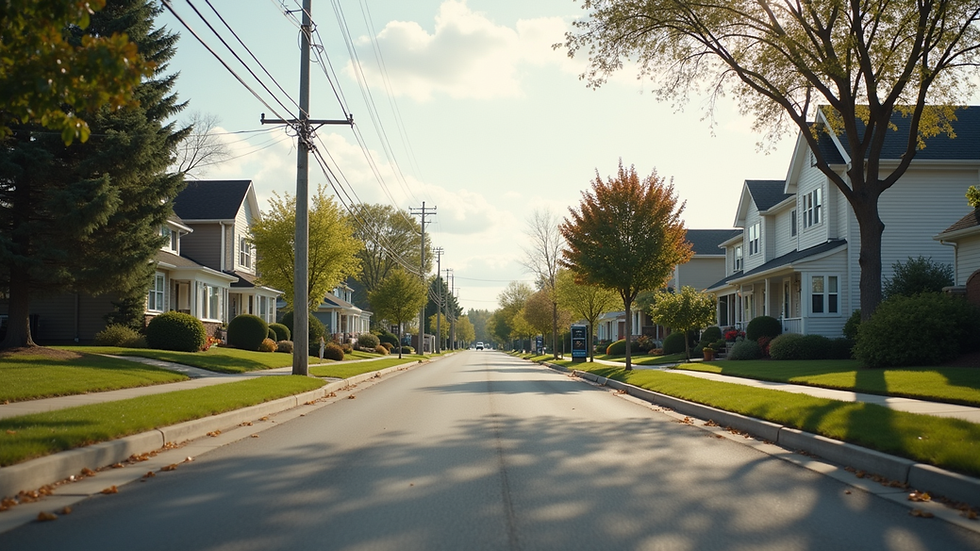
How Location Influences Home Value Growth Factors
Location is often called the most critical factor in real estate. I’ve seen firsthand how a great location can boost a home's value, even if the property itself is modest. Being near good schools, parks, and transit options makes a home more attractive to buyers and renters alike.
In the Bay Area, for instance, homes close to tech hubs or with easy freeway access tend to appreciate faster. Even within the same city, some neighborhoods outperform others because of their convenience and lifestyle offerings.
If you’re considering a purchase or sale, look beyond the house itself. Research the neighborhood’s future plans, crime rates, and school ratings. These details can make a big difference in long-term value.
What are the 5 attributes of real estate value?
Understanding the five key attributes of real estate value helps clarify why some properties appreciate more than others. These attributes are:
Demand: How many people want to live in the area.
Utility: The usefulness or functionality of the property.
Scarcity: Limited availability of similar properties nearby.
Transferability: Ease of transferring ownership.
Effective Purchasing Power: Buyers’ ability to pay for the property.
Each attribute interacts with the others. For example, high demand combined with scarcity often leads to price increases. Utility matters too - a home with modern amenities and a good layout will attract more buyers.
When evaluating a property, I always consider these five attributes. They provide a solid framework for assessing potential value growth.

The Role of Property Condition and Upgrades
A well-maintained home naturally holds its value better. I encourage homeowners to keep up with regular maintenance and consider strategic upgrades. Simple improvements like fresh paint, updated fixtures, or energy-efficient windows can make a big difference.
More extensive renovations, such as kitchen remodels or adding a bathroom, often yield strong returns. However, it’s important to balance the cost of upgrades with the expected increase in value. Over-improving a home beyond the neighborhood standard may not pay off.
For sellers, presenting a home in excellent condition can attract more buyers and higher offers. For buyers, a property in good shape means fewer immediate expenses and less risk.
Community and Neighborhood Impact on Value
The neighborhood environment shapes how a home is perceived and valued. I’ve noticed that communities with active homeowner associations, clean streets, and well-kept public spaces tend to see better appreciation.
Safety is another crucial factor. Areas with low crime rates are more desirable and command higher prices. Additionally, community amenities like parks, walking trails, and local shops add to the appeal.
Future development plans can also influence value. New schools, transit lines, or commercial centers nearby often boost property prices. Staying informed about local government projects can give you an edge.
Navigating Market Trends and Economic Factors
Real estate markets fluctuate with the economy. Interest rates, employment levels, and consumer confidence all impact home values. I always advise clients to keep an eye on these broader trends.
For example, when interest rates are low, more buyers enter the market, pushing prices up. Conversely, economic downturns can slow demand and soften prices. Understanding these cycles helps you time your transactions better.
Investors especially benefit from watching market trends closely. Knowing when to buy or sell can maximize returns and reduce risks.
How to Use This Knowledge for Your Next Move
Now that you know the key drivers behind home value growth, you can apply this knowledge practically:
Research neighborhoods thoroughly before buying or selling.
Invest in maintenance and smart upgrades to protect and increase value.
Stay informed about local market and economic trends.
Consider the five attributes of real estate value when evaluating properties.
Think long term - focus on factors that will sustain value over years, not just months.
If you want to dive deeper into long term home value factors, this resource offers detailed insights and strategies.
By taking a thoughtful, informed approach, you can make confident decisions that lead to successful outcomes and lasting partnerships.
Planning for the Future with Confidence
Owning a home is more than just a place to live - it’s an investment in your future. By understanding what drives home value growth, you can protect and grow that investment wisely.
Whether you’re navigating a senior transition, exploring investment opportunities, or simply looking for your next home, these insights will serve you well. I’m here to help you every step of the way, ensuring your real estate journey is smooth and rewarding.
Remember, the key to success lies in knowledge, preparation, and a clear vision for the future. Let’s work together to make your real estate goals a reality.


Comments